Solar Company in Lahore: 2026 Homeowner’s Guide
Rising grid tariffs and frequent load-shedding have pushed thousands of households toward rooftop power, and choosing the right solar company in Lahore is the decision that determines whether your investment pays off for decades or disappoints within a year. This 2026 guide explains how to evaluate installers, size your system correctly, and avoid the common mistakes that cost Lahore homeowners money.
Lahore enjoys roughly 300 sunny days a year, which makes it one of Pakistan’s strongest markets for residential solar. Yet sunshine alone does not guarantee savings. The quality of the panels, the inverter, the wiring, and the installation crew matters far more than the brochure promises you hear during a sales call.
Why does choosing the right solar company in Lahore matter?
A solar array is a 25-year asset bolted to your roof. A poor installation can leak, under-produce, or void your panel warranty. A strong one quietly trims your bill month after month and raises your property value.
The difference almost always comes down to the installer. Reputable firms carry out a proper site survey, design around your actual consumption, and stand behind their workmanship long after the final payment clears.
- Accurate sizing: a system matched to your real load, not an oversized upsell.
- Quality components: Tier-1 panels and a reliable inverter with local service support.
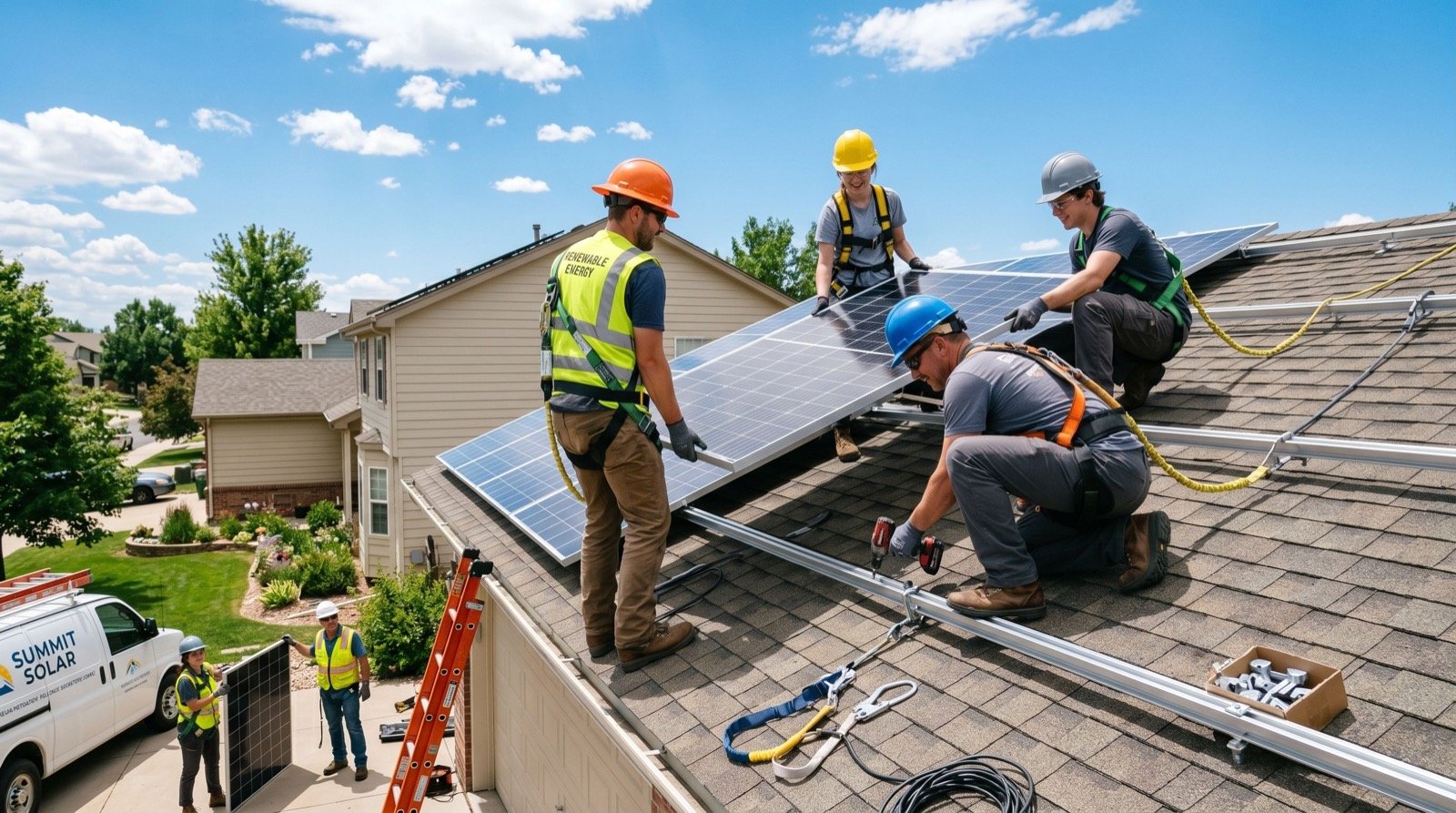
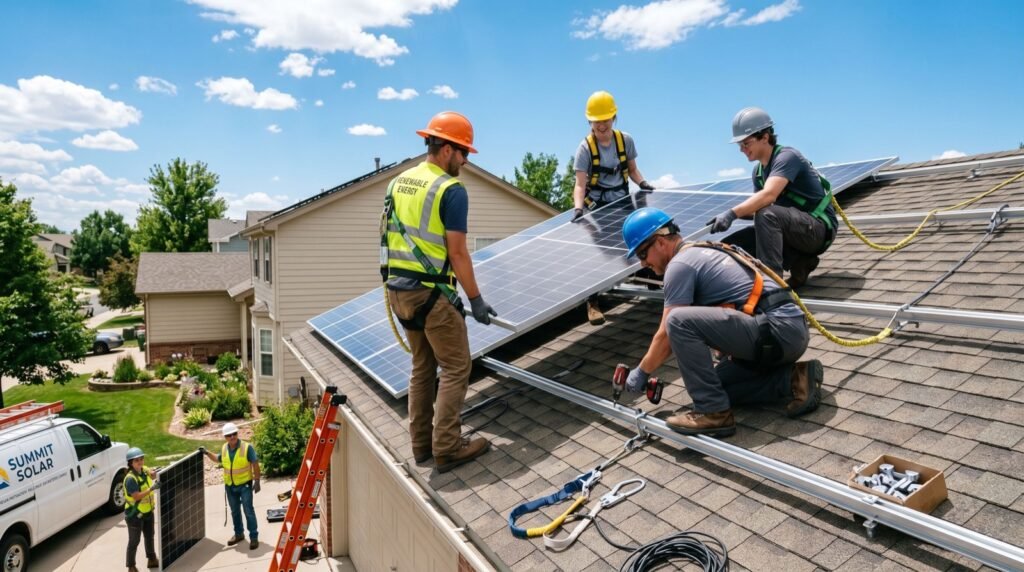
- Clean installation: weatherproof mounting, tidy cabling, and correct earthing.
- After-sales service: monitoring, maintenance, and fast fault resolution.
How to evaluate a solar installer before you sign
Treat the selection like hiring a contractor for any major home project. Ask for evidence, not adjectives. A credible company will happily share references and documentation.
- Check track record: request addresses of recent Lahore installations you can verify.
- Review warranties: separate product, performance, and workmanship coverage in writing.
- Confirm net-metering help: the firm should handle the LESCO application for you.
- Compare quotes: line-item bills reveal where corners are being cut.
- Inspect the team: trained, in-house crews beat rotating subcontractors.
When you read reviews, look for comments about service after installation, not just the sales experience. Homeowners who rely on trusted professionals consistently report fewer headaches when a panel underperforms or an inverter needs a firmware update.
What does a home solar system cost in Lahore in 2026?
Pricing moves with the rupee, import duties, and panel technology, but the ranges below reflect typical installed 2026 figures for grid-tied residential systems in Lahore. Understanding the solar panels price in Pakistan helps you judge whether a quote is fair or inflated.
| System size | Rough daily output | Suits | Installed cost (PKR) |
|---|---|---|---|
| 5 kW | 20–25 units | Small home, 1–2 ACs | 900,000 – 1,200,000 |
| 7.5 kW | 30–38 units | Mid-size home, 3 ACs | 1,300,000 – 1,700,000 |
| 10 kW | 40–50 units | Large home, 4–5 ACs | 1,700,000 – 2,300,000 |
| 15 kW | 60–75 units | Villa or small office | 2,500,000 – 3,400,000 |
Always confirm whether the quote is on-grid, hybrid, or off-grid, because battery storage adds significantly to the total. A fixed, all-inclusive price that covers structure, cabling, and net-metering paperwork protects you from mid-project surprises.
On-grid, hybrid, or off-grid: which fits your home?
Most Lahore households choose on-grid systems because net metering lets you export surplus daytime power and draw it back at night, effectively using the grid as a free battery. These systems are cheapest and simplest.
Hybrid systems add batteries so essential circuits keep running during outages. They cost more but suit homes in areas with heavy load-shedding. Pure off-grid setups make sense only where there is no reliable grid connection at all.
Net metering and incentives you should know
Net metering remains the single biggest lever on your payback period. Under the national framework overseen by NEPRA, eligible consumers can install a bidirectional meter and receive credit for units exported to the grid. A good installer manages this application end to end.
The paperwork involves your distribution company, a licensed system design, and an inspection. Done correctly, net metering can shorten a typical residential payback to roughly four to six years, after which your generated power is essentially free.
Maintenance tips to protect your investment
- Rinse panels every few weeks during Lahore’s dusty, dry months to keep output high.
- Check the inverter display or app monthly for error codes and production dips.
- Keep nearby trees trimmed so shadows do not creep across the array as they grow.
- Schedule an annual professional inspection of connections, mounting, and earthing.
- Log your monthly units so you can spot a failing panel before it drags the system down.
Red flags to watch for during the sales process
The solar boom has attracted plenty of fly-by-night sellers alongside the genuine installers. Spotting the warning signs early saves you from a decade of regret bolted to your roof.
Be cautious of anyone who quotes a price without visiting your home, pressures you to sign the same day, or refuses to itemise components. Vague promises about “imported premium panels” with no brand name usually hide unbranded or refurbished stock.
- No site survey: a serious installer always inspects your roof before quoting.
- Missing documentation: genuine firms provide datasheets and written warranties.
- Cash-only, no invoice: a proper tax invoice protects your warranty claims.
- Unrealistic savings claims: honest estimates account for cloudy days and degradation.
- No local office: you need a physical address for after-sales service.
A short checklist like this, used during every sales call, quickly filters out the operators who will not be around when you need warranty support in year five or ten.
Frequently Asked Questions
How long does a home solar installation take in Lahore?
A standard 5–10 kW rooftop system is usually installed in two to four days once components arrive. The net-metering approval and bidirectional meter can take a few additional weeks depending on your distribution company.
How many years until a solar system pays for itself?
With net metering and today’s tariffs, most Lahore homeowners recover their cost in four to six years. The panels then continue producing for another two decades or more, making the long-term savings substantial.
Do solar panels work during Lahore’s monsoon and smog season?
They still generate power on cloudy and hazy days, just at reduced output. Annual production estimates already account for these dips, and a properly sized system comfortably covers your yearly needs.
What warranty should I expect on panels and inverters?
Quality panels carry a 10–12 year product warranty and a 25-year performance warranty. Inverters typically come with 5–10 years. Always get workmanship coverage from the installer in writing as well.
Final thoughts
Going solar in Lahore is one of the smartest financial and environmental moves a homeowner can make in 2026, but the outcome rests entirely on who installs your system. Take time to compare components, demand transparent pricing, and verify real installations before signing. Partnering with an established solar company in Lahore that handles design, installation, and net metering under one roof gives you a system that performs reliably and keeps cutting your bills for years to come.