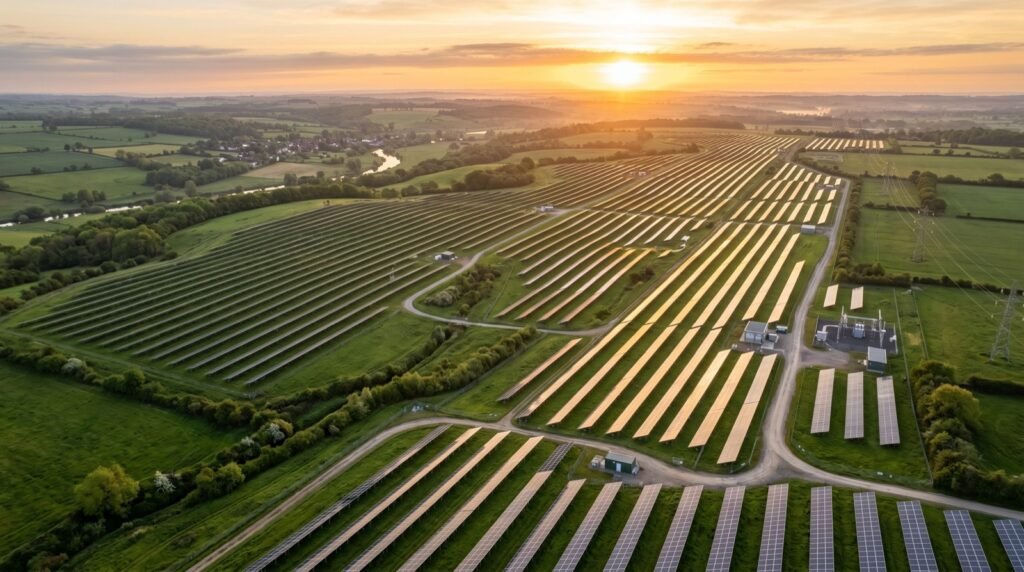
Investing in solar panels in Pakistan in 2026 is one of the smartest ways to beat rising electricity tariffs and constant load-shedding. This guide explains panel types, efficiency ratings, and the practical factors that decide how much power your rooftop truly delivers.
Many buyers focus only on price and brand, then wonder why their neighbour’s system outperforms theirs. The real answer lies in panel technology, correct sizing, and the quality of the team behind the install.
The Main Types of Solar Panels Explained
Not all panels are equal, and the type you choose affects generation, roof space, and lifespan. Three technologies dominate the Pakistani market in 2026, each with clear trade-offs.
Monocrystalline panels lead on efficiency and are now the default for homes with limited roof area. Polycrystalline panels cost slightly less but need more space for the same output. Thin-film panels suit specialised commercial roofs but rarely make sense for houses here.
Which panel type is best for a Pakistani home?
For most homes, high-efficiency monocrystalline panels win. They generate more power per square metre, perform better in heat, and hold their value across a long lifespan. The small price premium usually pays back through higher daily yield.
| Panel Type | Efficiency | Space Needed | Best Use |
|---|---|---|---|
| Monocrystalline | 20–23% | Least | Homes, tight roofs |
| Polycrystalline | 16–18% | More | Large open roofs |
| Thin-film | 10–13% | Most | Commercial flat roofs |
What Efficiency and Wattage Really Mean for You
Efficiency measures how much sunlight a panel converts into electricity. Higher efficiency means fewer panels for the same output, which matters when roof space is tight. Wattage tells you the peak power of a single panel under standard test conditions.
In 2026, most quality residential panels sit between 550W and 620W. According to NREL solar cell efficiency research, laboratory records keep climbing, and that steady progress trickles down into more powerful commercial modules you can buy locally each year.
Do panels lose power over time?
Yes, but slowly. Quality panels degrade by roughly 0.4% to 0.5% per year, so after 25 years they still produce around 85% of their original output. Cheap panels degrade faster, which is why brand tier and warranty terms matter so much.
Sizing Your System the Right Way
The best panels underperform if the system is sized wrong. Start with your monthly electricity bill in units, then design for the load you want to offset. A careful audit prevents both underbuilding and overspending.
- Review your last twelve months of electricity bills.
- List appliances you want to run on solar at peak times.
- Account for roof orientation, tilt, and any shading.
- Decide whether you want batteries or net metering.
- Match panel count and inverter size to that target.
When you compare products, study the datasheet, not just the price. You can browse current solar panels in Pakistan to see real specifications and warranty terms side by side before deciding.
Why the Installer Matters as Much as the Panels
Even top-tier panels fail to deliver if mounting, wiring, or angle is wrong. Skilled installation captures the full rated output and keeps the system safe through storms and heat. That is why the team you hire is part of the product.
Choosing the best solar company means picking one that designs around your roof, uses genuine components, and backs the work with a real warranty. A quote from an experienced local team should always explain the reasoning behind every panel and cable choice.
How many panels do I need for my home?
It depends on your load, not a fixed rule. A 5 kW home system usually needs nine or ten modern panels, while a home with two air conditioners may need sixteen or more. A proper load audit gives you the exact figure.
Net Metering and Batteries: Two Paths to Night Power
Solar panels only generate during daylight, so you need a plan for the evening. Two options dominate in 2026, and many homes combine both for the best result.
Net metering exports your surplus daytime power to the grid and credits you against night usage. Batteries store that surplus on-site so you keep power during outages. Net metering suits areas with a stable grid, while batteries win where load-shedding is frequent.
Should I choose net metering or batteries first?
If your grid is fairly reliable, net metering offers the fastest payback with no battery cost. If outages are common in your area, a battery bank protects your evenings and pumps. A hybrid inverter lets you keep both options open as your needs change.
- Net metering: lower upfront cost, best with a stable grid.
- Batteries: full outage protection, higher initial spend.
- Hybrid setup: flexibility to add either later.
- Lithium batteries offer more cycles than lead-acid.
Care Tips to Protect Your Solar Investment
Solar panels need little maintenance, but a few habits keep generation high across the dusty Pakistani year. These simple steps protect the returns you paid for.
- Rinse panels every few weeks during dry, dusty months.
- Check mounting bolts and cable clamps once a year.
- Watch your monitoring app for sudden generation drops.
- Keep nearby trees trimmed to avoid new shading.
- Schedule a professional inspection every two years.
Frequently Asked Questions
How long do solar panels last in Pakistan?
Quality panels last 25 years or more, with a slow annual efficiency drop. Local heat and dust affect performance, but regular cleaning and good installation keep output strong. Always confirm the performance warranty before buying.
Are monocrystalline panels worth the extra cost?
For most homes, yes. They deliver more power per square metre and handle heat better than polycrystalline options. The modest price premium usually returns through higher daily generation, especially on smaller roofs where space is limited.
Can solar panels power my whole house?
They can, with the right system size and batteries. Many homes run everything on solar during the day and use batteries or net metering at night. A load audit tells you exactly how large the system must be.
Do I need to clean my panels often?
A light rinse every few weeks during dusty periods is usually enough. Rain handles some cleaning naturally. Heavy dust buildup can cut output noticeably, so a simple routine protects your daily generation without much effort.
Ready to Power Your Home With Solar Panels?
The right solar panels in Pakistan, matched to a proper system size and a skilled installer, deliver clean power and real savings for decades. Focus on efficiency, warranty, and installation quality rather than price alone.
Take the next step by asking a trusted local team to audit your roof and quote transparently. Contact them today and start turning Pakistan’s abundant sunshine into lower bills and dependable power.